May 28, 2026
The siding of your home plays a critical role in protecting it from the elements, improving energy efficiency, and enhancing curb appeal. Over time, however, even the best siding materials can degrade or become outdated. In this article, we will explore key signs that indicate it's time for a new siding install. Recognizing these signs early can save homeowners from costly repairs and uphold the structural integrity of the house. Investing in quality siding can vastly improve the home's aesthetics and functional efficiency.
Visible Damage to Existing Siding
Cracks and Gaps
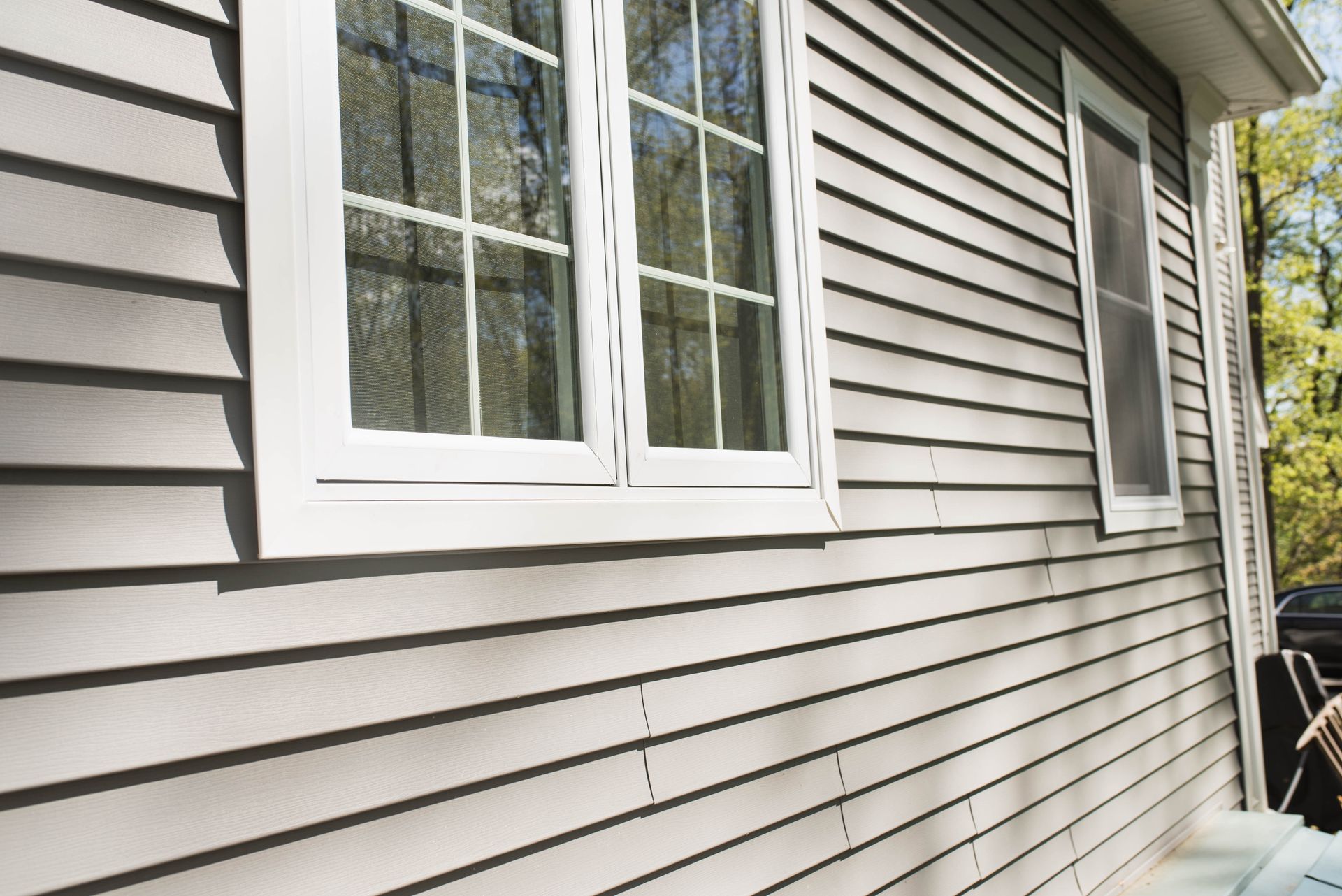
Cracks and gaps in siding can lead to significant issues for homeowners. Such damage is often a gateway for moisture infiltration, which can cause mold growth and wood rot. Over time, small cracks can lead to wider gaps due to weathering and natural settling. If you've noticed that filling these gaps has become a regular maintenance task, it may be time to consider replacing your siding. Moreover, modern siding materials are designed to withstand a variety of environmental challenges, offering longer-lasting protection.
Warping and Buckling
Warping and buckling occur when siding becomes exposed to extensive moisture or excessive heat. These conditions cause the material to expand and contract, eventually resulting in a loss of structural integrity. Sightings of warped siding are a clear indicator that the material has been compromised and is no longer performing its protective role efficiently. Replacing warped siding with newer, more resilient materials can help maintain not only the structural integrity of your home but also improve its overall aesthetic. Keeping an eye on the maintenance of your siding can save you from more severe foundation problems in the future.
Faded and Peeling Paint
Faded and peeling paint diminishes your home's curb appeal and may suggest deeper issues. This wear could indicate that your home's siding is succumbing to aging and requires a fresh overlay or replacement. Painting over compromised siding is a temporary measure and often not cost-effective in the long run. Opting for a more durable material can reduce maintenance costs and provide a long-lasting solution. Modern siding options offer baked-on colors that resist fading and require little to no painting upkeep.
Rot and Mold Development
Rot and mold are serious concerns for any homeowner as they signify prolonged exposure to moisture. Siding that is unable to effectively repel water will eventually lead to wood rot and mold development, compromising the structural integrity of the home. Mold exposure can pose health risks to household members, making it imperative to address these issues promptly. Installing new siding made from moisture-resistant materials can eliminate these problems and provide peace of mind. Utilizing proper ventilation and moisture barriers during installation further prolongs the siding's life.
Increasing Energy Bills
Poor Insulation and Air Leaks
Poor insulation and air leaks often go unnoticed until utility bills start rising unexpectedly. Siding serves as a critical component of a home's insulation system, and any disruption impacts its overall efficiency. Air leaks allow conditioned air to escape, making heating and cooling systems work overtime to sustain desired temperatures. Investing in new, highly-insulated siding can significantly enhance thermal efficiency, reducing energy costs over time. Many new siding materials now come with energy-saving endorsements, highlighting their effectiveness in improving a home's energy profile.
Loss of Temperature Control
Control over indoor temperatures becomes difficult and costly when existing siding fails. Homeowners often find themselves adjusting thermostats constantly to remain comfortable, which indicates unseen leaks or insufficient insulation. Siding with a proper R-value contributes significantly to a home's energy efficiency and the residents' comfort. New siding install ensures that temperature retention is maximized, maintaining a comfortable living environment throughout the year. Moreover, these installations are designed to endure varying weather conditions while maintaining their insulating properties.
Rising Heating and Cooling Costs
Escalating heating and cooling costs often trace back to inadequate siding. When heating systems and air conditioners have to compensate for siding inefficiencies, energy consumption increases significantly. Upgrading to modern siding materials can help drive down these costs by improving insulation and minimizing energy loss. Options like insulated vinyl siding provide an extra layer of thermal protection, keeping homes cooler in summer and warmer in winter. With energy bills often representing a large portion of household expenses, this improvement can lead to long-term savings.
Frequent and Costly Repairs
Recurring Maintenance Needs
Siding that frequently requires maintenance may be a sign that it's nearing the end of its serviceable life. Constant repairs not only add up financially but also indicate that the material is no longer structurally sound. Consistent upkeep delays the inevitable replacement, but at the cost of greater inconvenience and potential interior damage. New siding choices arrive with warranties and are created to require less maintenance, easing the homeowner's burdens substantially. Investing in this upgrade can save substantial time and effort otherwise spent on frequent fixes.
Escalating Repair Costs
Over time, repair costs can accumulate to a point where replacing the entire siding becomes an economically prudent option. If you find that the expenses for fixing portions of the siding are mounting, it may be more logical to replace than repair. New siding solutions come with extended warranties and are engineered to endure tough conditions, reducing the need for recurrent costly interventions. These options not only resolve immediate issues but also offer long-term durability. Calculating potential savings from avoided repairs can highlight the benefits of a new siding install.
Shortened Lifespan of Siding Components
Siding components have a lifespan and will need replacement as they age and degrade. If sections of your siding have started showing signs of wear, such as warping or visible decay, it's typically an indication that a larger-scale replacement is necessary. Materials like fiber cement or engineered wood often come with longer lifespan guarantees compared to older alternatives. They are designed to resist cracking, splitting, and warping under standard weather conditions. Opting for these new materials assures both longevity and a sustained protective appearance.
Difficulty in Finding Matching Siding
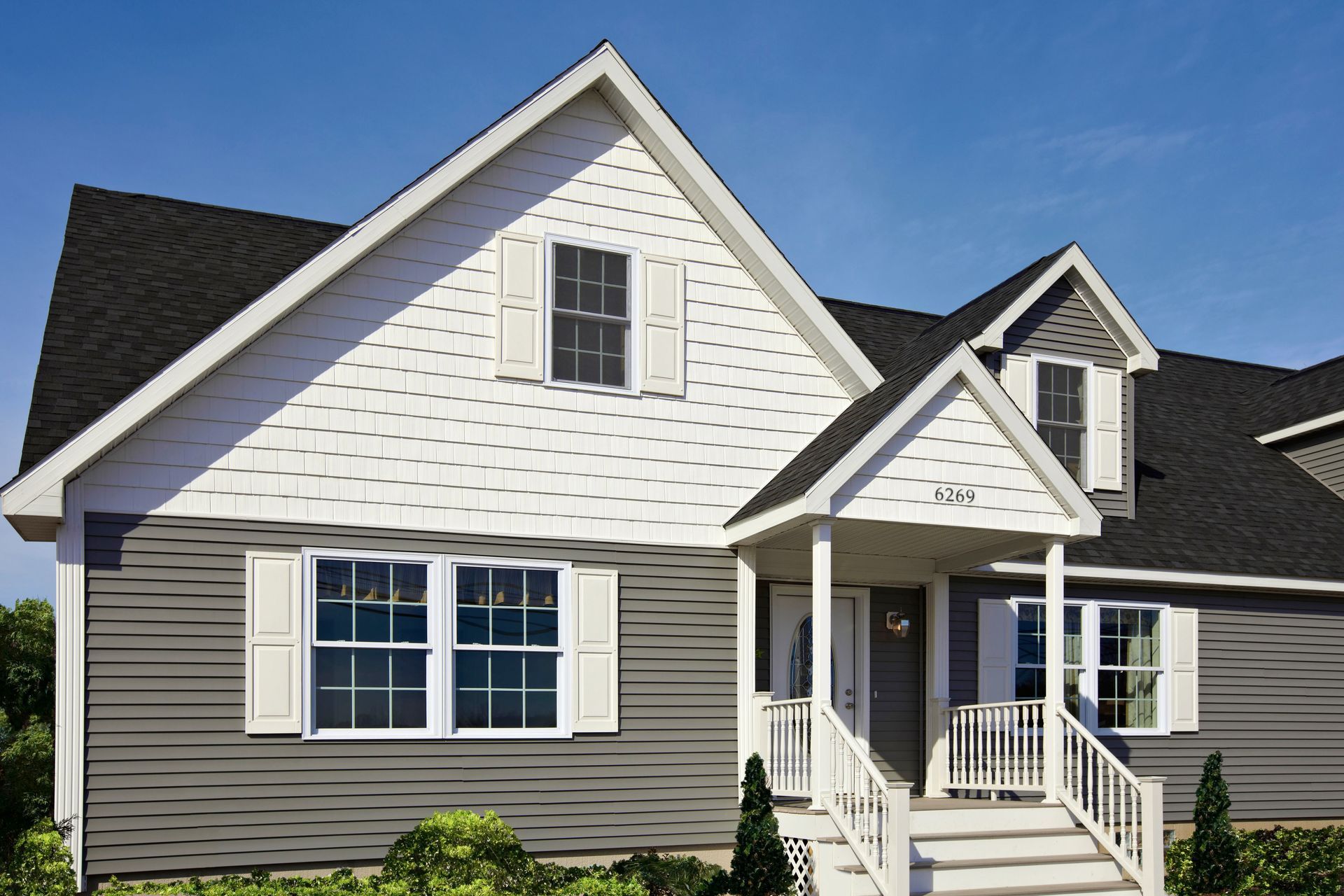
As siding ages, matching it for repairs or extensions becomes increasingly cumbersome and ineffective. Discontinued styles, colors, or materials may make it impossible to blend repairs, creating an unsightly patchwork appearance. Updating with new siding allows for a harmonious and cohesive exterior design that enhances curb appeal. Additionally, neutral tones such as gray, white, and light brown are among the most popular choices, as 65% of homeowners choose them when upgrading their siding, according to Fixr.com. Selecting from these current popular colors can also assist in modernizing your home’s look.
Replacing your siding can be a significant home improvement project, but recognizing the early signs of wear and considering the potential benefits of a new installation can save you time, money, and stress in the long run. Whether prompted by damage, energy inefficiency, or aesthetic desires, the decision to replace your siding can greatly enhance your home's value and durability. By selecting the right materials and styles, homeowners can ensure they reap the maximum benefits from their investment while contributing positively to environmental and market standards. Ultimately, a new siding install is not merely a maintenance task but a critical investment in your home's future. Proactively addressing these aspects is wise for the sustained prosperity of your property. To get a professional assessment and replacement of your siding, reach out to the pros at Siding Repair System today.