August 28, 2026
Your home's exterior acts as the primary shield against harsh weather, temperature fluctuations, and pests. Over time, even durable materials begin to wear down, leaving your property vulnerable to damage if left unaddressed. Recognizing warning signs early saves time and money by preventing minor issues from developing into structural catastrophes. A deteriorating exterior compromises your property's energy efficiency, diminishes its curb appeal, and threatens the structural integrity of the entire framework. Many homeowners ignore subtle changes in their exterior walls, assuming out of sight means out of mind. However, addressing these concerns promptly is essential. By learning the six major indicators that your protective barrier is compromised, you make informed decisions about necessary upgrades. If you notice any of the following issues, consider professional home siding services to restore your property's safety and aesthetic appeal.
1. Visible Damage Like Cracks, Dents, and Rot
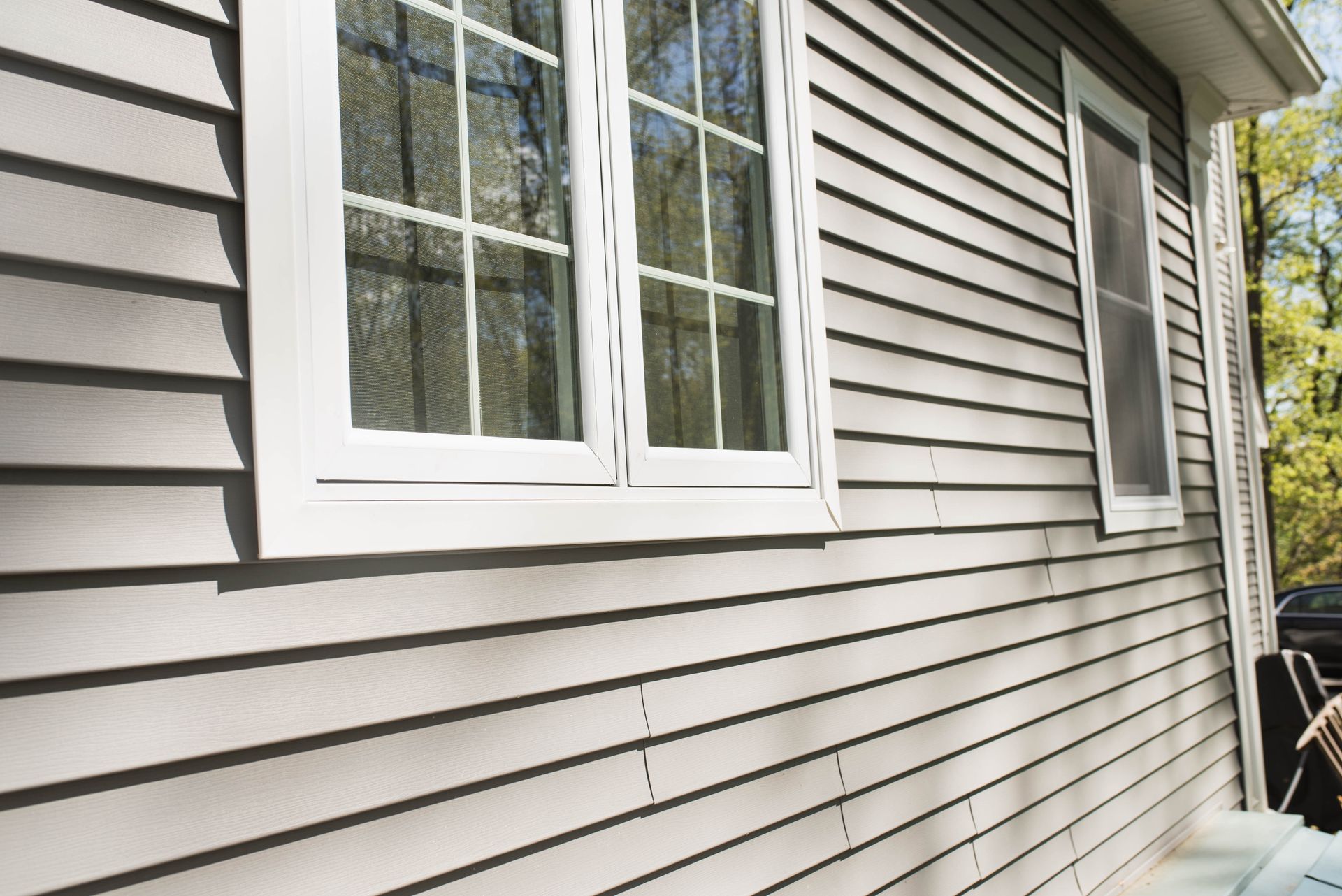
Take a close look at the exterior walls around your property. One obvious indicator that you need replacement is the presence of visible damage, including large cracks, subtle dents, or rotting material. According to the Federal Emergency Management Agency, the majority of exterior wall installations are built to endure wind speeds reaching up to 110 miles per hour. However, flying debris, hail, and extreme temperature shifts still leave behind fractures. If you have older materials, rot quickly becomes a severe issue. Moisture penetrates underlying wood, causing it to weaken and crumble away. This severely compromises structural integrity. In these instances, calling professionals for home siding services is crucial. They perform an assessment to determine if you need a complete siding replacement or localized composite siding repair. Ignoring cracks allows moisture and pests to enter your walls, leading to far more extensive repairs.
2. Unusually High Heating and Cooling Bills
Have you noticed a sudden spike in your monthly utility bills? If heating and cooling costs climb without explanation, your home's exterior might be the culprit. The material on the outside plays a massive role in insulating the interior. When it becomes old, warped, or damaged, it loses its ability to retain heat during winter and block out sweltering heat during summer. Drafts enter through weakened seams, forcing your HVAC system to work overtime to maintain a comfortable indoor temperature. Upgrading your exterior with energy-efficient materials like James Hardie fiber cement siding or modern vinyl siding installation can drastically improve thermal performance. Partnering with experts for comprehensive home siding services ensures the new installation includes proper insulation techniques. Addressing these inefficiencies might also involve other upgrades, such as window replacement or soffit and fascia repair, to completely seal off drafts. A well-insulated house provides a fantastic return on investment.
3. Faded Colors and Chalky Residue
Cosmetic issues also indicate that your exterior has reached the end of its functional lifespan. Faded colors and a chalky residue on the surface are strong indicators that the material is breaking down. Constant exposure to the sun's harsh ultraviolet rays causes pigments to fade and protective coatings to deteriorate. When you run your hand along the wall and it comes away covered in a powdery substance, the material is experiencing severe weathering. This chalking effect proves the exterior can no longer repel water effectively, leaving your home susceptible to moisture intrusion. A fresh coat of paint is merely a temporary fix. Instead, explore high-quality home siding services to permanently resolve the issue. Professionals guide you toward durable options like steel siding installation or advanced composite siding installation that resist fading. Upgrading to modern materials restores vibrant curb appeal.
4. Bubbling and Blistering Across the Surface
If you observe bubbling or blistering across your exterior walls, you are looking at a massive red flag. These bubbles indicate that water has become trapped underneath the surface. When moisture is subjected to extreme heat, it expands and pushes outward, creating unsightly blisters. This damage means the material no longer provides a waterproof barrier for your house. Trapped moisture creates the perfect breeding ground for rot, mold, and mildew. If you see blistering, water is almost certainly seeping into the underlying sheathing. Addressing this issue requires urgent attention and specialized siding services to prevent catastrophic water damage. Professionals offering home siding services know exactly how to remove blistered panels, inspect the structure for water damage repair needs, and install a brand new barrier. Opting for a top-tier vinyl siding installation prevents future blistering, as modern materials are highly water-resistant. Do not ignore bubbling, as trapped water causes rapid decay.
5. Moisture Damage and Mold Growth Inside
Sometimes signs that you need a new exterior are not found on the outside, but rather on the inside. If you notice moisture damage, mold growth, or a persistent musty smell indoors, your exterior barrier might be failing. When the protective shell is compromised, water seeps through walls and into living spaces. You might start seeing dark water stains on ceilings, damp patches near floorboards, or fuzzy mold colonies in room corners. Mold poses significant health risks to your family. Because water travels along the path of least resistance, the source of the leak might be far away from where the mold blooms. To accurately pinpoint and fix the breach, seek professional home siding services immediately. A team conducts a thorough inspection, performs necessary water damage repair, and recommends a complete replacement. Proper gutter installation and roofing services might also be required to direct water away.
6. Peeling Paint or Wallpaper Inside the House
Another internal warning sign that your exterior is failing is peeling paint or drooping wallpaper on interior walls. Much like mold growth, this issue is caused by hidden moisture penetrating through a compromised exterior barrier. When water seeps into the wall cavity, it eventually reaches the drywall. As the drywall absorbs moisture, it swells, causing paint to crack, bubble, and peel away. Wallpaper loses its adhesive properties and begins to sag or detach entirely. If you constantly repaint in the same spots, the root cause is likely coming from outside. Replacing drywall will not solve the underlying problem. You need to address the failing exterior to stop moisture intrusion at its source. By enlisting expert home siding services, you can completely overhaul the defective exterior cladding. Professionals might recommend durable James Hardie fiber cement siding for superior moisture resistance, checking whether you need soffit and fascia installation.
Your home is a major financial investment, and protecting it must remain a top priority. Your exterior cladding is the first line of defense against the elements, and when it fails, your property is at risk. From visible cracks and high energy bills to indoor mold growth and peeling paint, these six warning signs clearly indicate your current setup is no longer doing its job. Ignoring these issues leads to more severe structural damage and costly repairs down the road. Upgrading your exterior fortifies your house against harsh weather and dramatically enhances its curb appeal. Whether you require a minor vinyl siding repair or a steel siding installation, partnering with experienced professionals guarantees the job is done right. If you have noticed any of these warning signs and are ready to revitalize your property, reach out for reliable home siding services today. Protect your investment and transform your home's exterior by contacting the professionals at Siding Repair Systems.