March 5, 2026
When it comes to maintaining the structural integrity and aesthetic appeal of your home, few projects are as significant as a fresh exterior update. Choosing the right materials is the cornerstone of a successful project, ensuring that your investment stands up to the elements while boosting curb appeal. Understanding the nuances of the market is also essential for timing your project. According to Freedonia Group, demand for residential siding in the US is forecast to increase less than 1% annually to 84.7 million square feet in 2027, valued at $10.6 billion. This steady demand highlights the ongoing importance of quality craftsmanship and durable materials in the modern housing market.
Selecting a material isn't just about color; it’s about climate, maintenance, and long-term value. Whether you are dealing with storm damage or simply want to modernize an aging facade, the decisions you make during the planning phase will dictate your home's performance for decades. In this guide, we will explore the most popular materials used in the industry today to help you navigate your upcoming siding installation with confidence and clarity.
Evaluating the Versatility of Vinyl
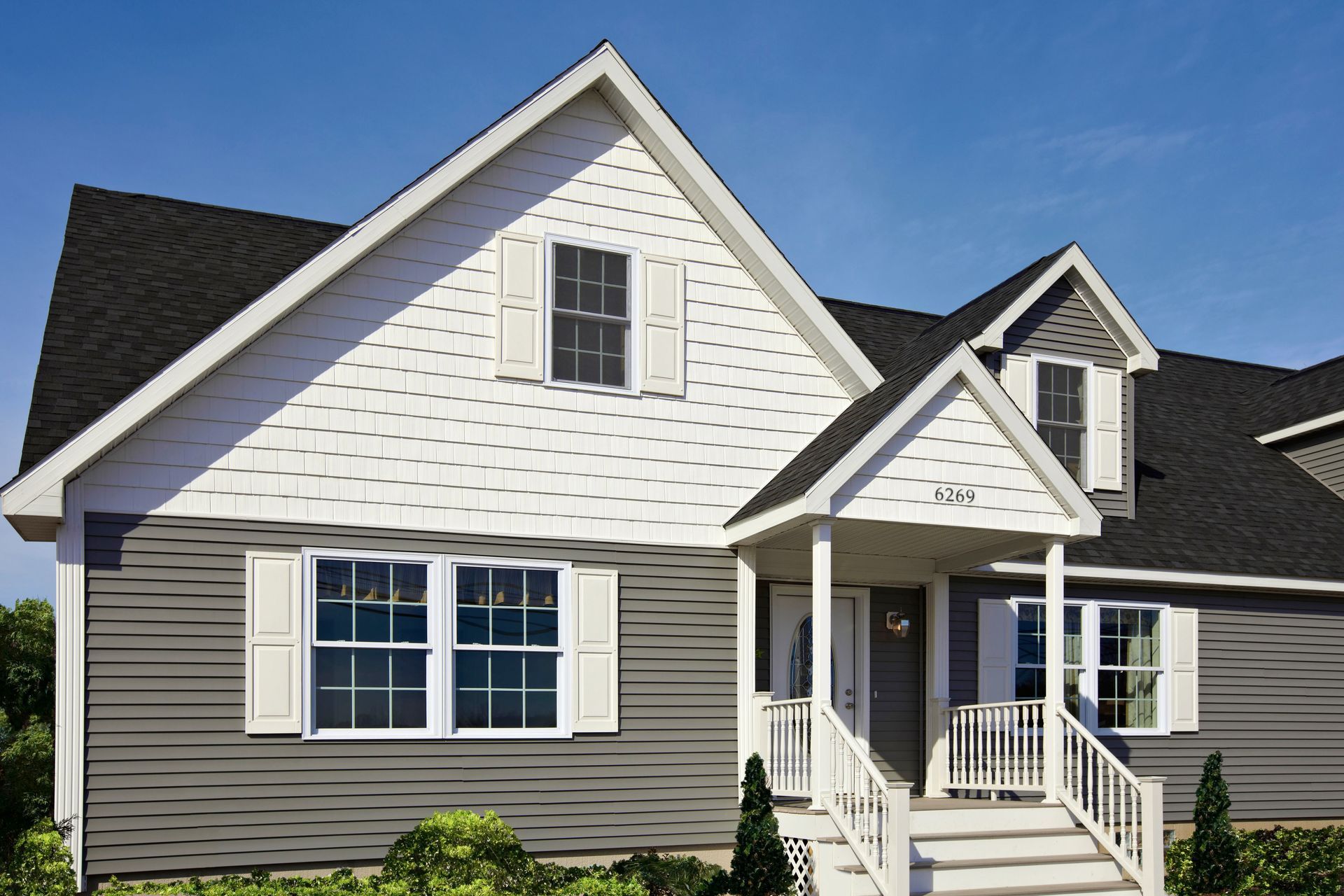
Vinyl remains the most popular choice for homeowners across the country, primarily due to its cost-effectiveness and low maintenance requirements. Modern manufacturing has come a long way, offering thicker panels and more realistic textures that mimic wood grain. Because the color is baked through the material rather than painted on the surface, it resists scratches and never requires a fresh coat of paint. This makes it an ideal entry point for a siding installation that prioritizes a "set it and forget it" lifestyle.
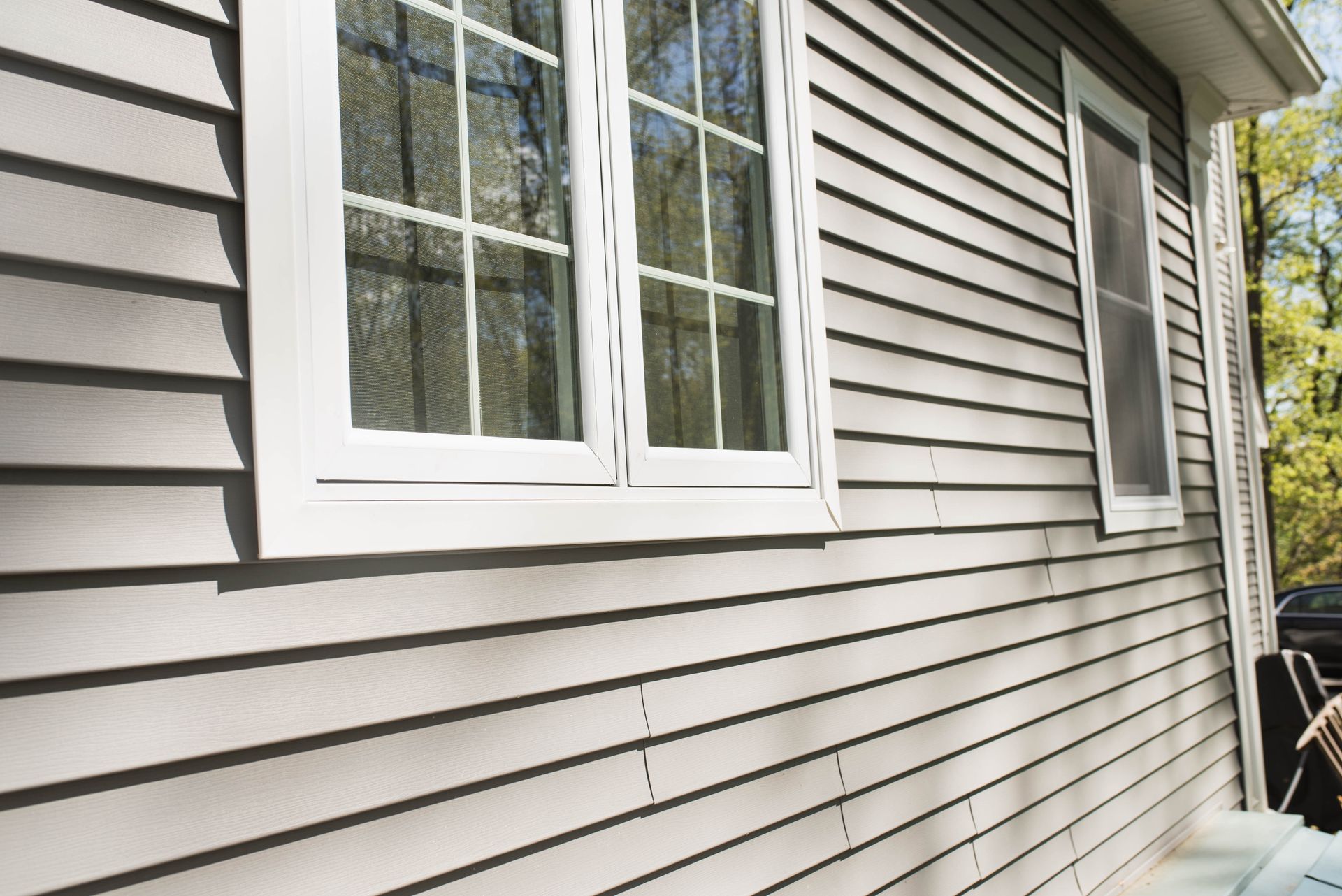
From an installation standpoint, vinyl is lightweight and flexible, which can speed up the labor process. However, it is vital to ensure that the panels are hung correctly to allow for thermal expansion and contraction. When vinyl is pinned too tightly, it can warp or buckle during extreme temperature shifts. Choosing a high-grade vinyl ensures better impact resistance against hail or stray baseballs, making it a rugged contender for family homes.
Assessing the Durability of Fiber Cement
For those seeking the ultimate blend of beauty and resilience, fiber cement is often the gold standard. Composed of sand, cement, and cellulose fibers, this material is incredibly heavy and stable. It is non-combustible and highly resistant to rot, insects, and salt spray. For homeowners in regions prone to wildfires or high humidity, this material offers a level of protection that many other options simply cannot match. It provides a premium look that can significantly increase the resale value of a property.
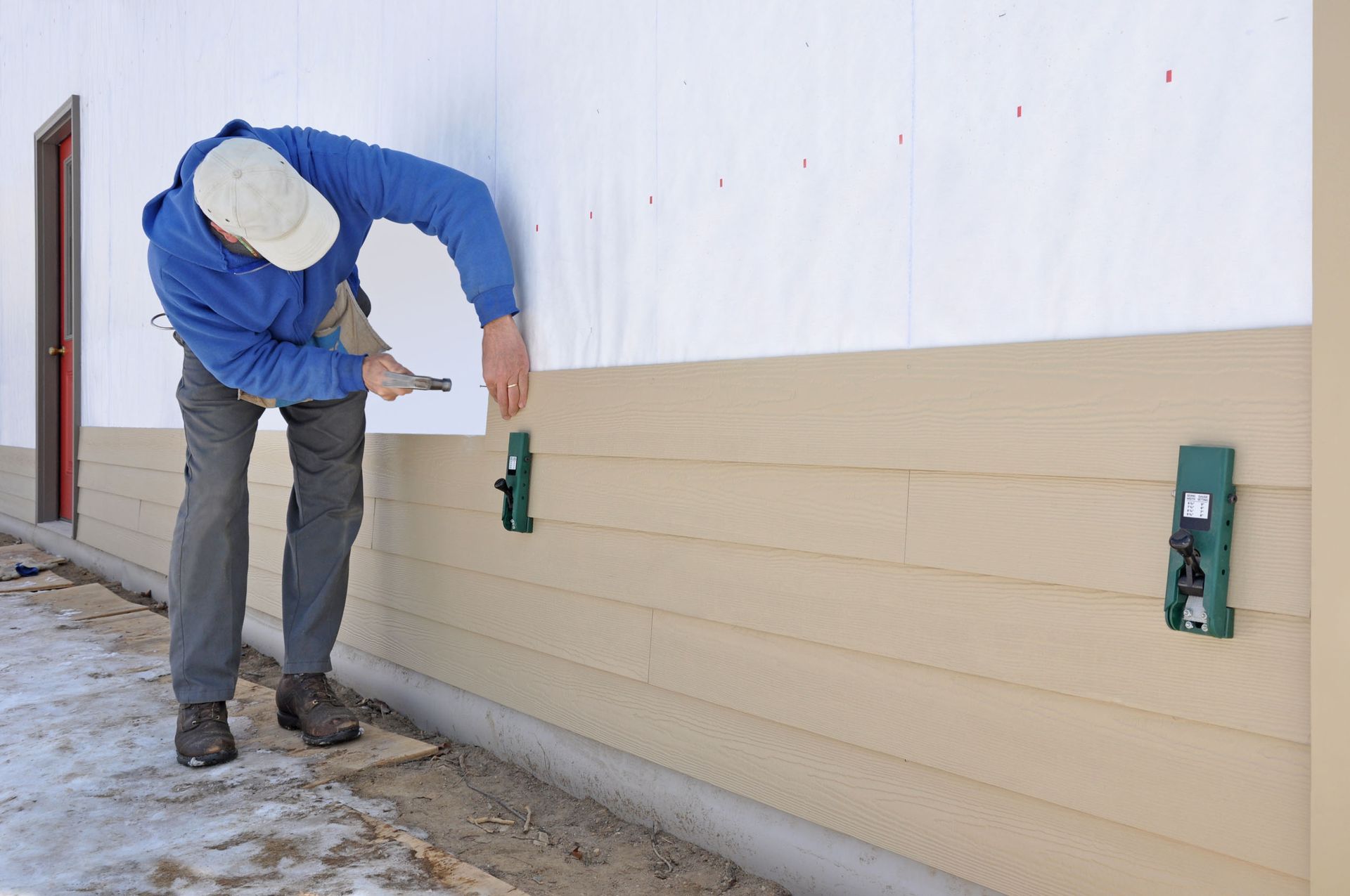
The aesthetic flexibility of fiber cement is nearly unmatched. It can be molded into shingles, planks, or large architectural panels, allowing for diverse design styles from Victorian to Ultra-Modern. While the material cost and labor intensity are higher than vinyl, the longevity of the finished product often justifies the initial spend. A professional siding installation using fiber cement requires specialized tools and techniques, but the result is a home that looks like it is clad in natural wood without any of the organic vulnerabilities.
Considering the Aesthetics of Natural Wood
There is an undeniable warmth and character that comes with natural wood siding. Whether it is cedar shakes or redwood lap siding, wood offers a timeless look that many synthetic materials try—but often fail—to perfectly replicate. It is a renewable resource and provides excellent natural insulation. For historical renovations or high-end custom builds, wood remains a top-tier choice that honors traditional craftsmanship and architectural heritage.
The trade-off for this beauty is the requirement for consistent maintenance. Wood must be stained or painted every few years to prevent moisture infiltration and UV damage. Without proper care, it is susceptible to rot and woodpeckers. During a wood-based siding installation, it is crucial to use high-quality flashing and moisture barriers to protect the underlying structure. For the homeowner who doesn't mind the upkeep, the reward is a unique, organic exterior that ages gracefully over time.
Exploring the Strength of Metal Options
Metal siding, particularly aluminum and steel, has seen a resurgence in residential design. Steel is exceptionally strong and can withstand harsh winters and high winds without cracking. It is also an eco-friendly choice, as many metal products are made from recycled content and are fully recyclable at the end of their lifespan. For a sleek, industrial look or a modern farmhouse vibe, metal provides clean lines and a crisp finish that stays looking new for years.
One of the primary benefits of metal is its resistance to fire and pests. Unlike wood, it won't burn, and unlike vinyl, it won't melt in extreme heat. While aluminum can be prone to denting, steel is much tougher. During the siding installation process, professionals must be careful to seal cut edges to prevent rust, though most modern metal panels come with advanced coatings that offer superior corrosion resistance. This is an excellent option for those looking for a contemporary edge with minimal maintenance.
Analyzing Energy Efficiency and Insulation
Beyond the visual and structural aspects, modern materials offer significant opportunities for improving a home's thermal performance. Many manufacturers now offer "insulated" versions of popular materials, where a layer of rigid foam is bonded directly to the back of the panel. This helps to break the thermal bridge between the exterior air and the interior studs of your house. When you opt for this type of siding installation, you are essentially wrapping your home in a protective blanket that can help lower monthly utility bills and reduce the strain on your HVAC system. It is a smart way to combine an aesthetic upgrade with long-term financial savings.
Understanding the Importance of Professionalism
No matter which material you select, the quality of the workmanship is the most critical variable in the equation. Even the most expensive fiber cement or premium wood will fail if it is not integrated correctly with the home’s drainage plane. Proper moisture management—including house wrap, flashing, and caulking—is what actually keeps your studs dry and your indoor air quality high. A DIY approach or hiring an inexperienced crew can lead to hidden leaks that manifest as mold or structural rot years down the line.
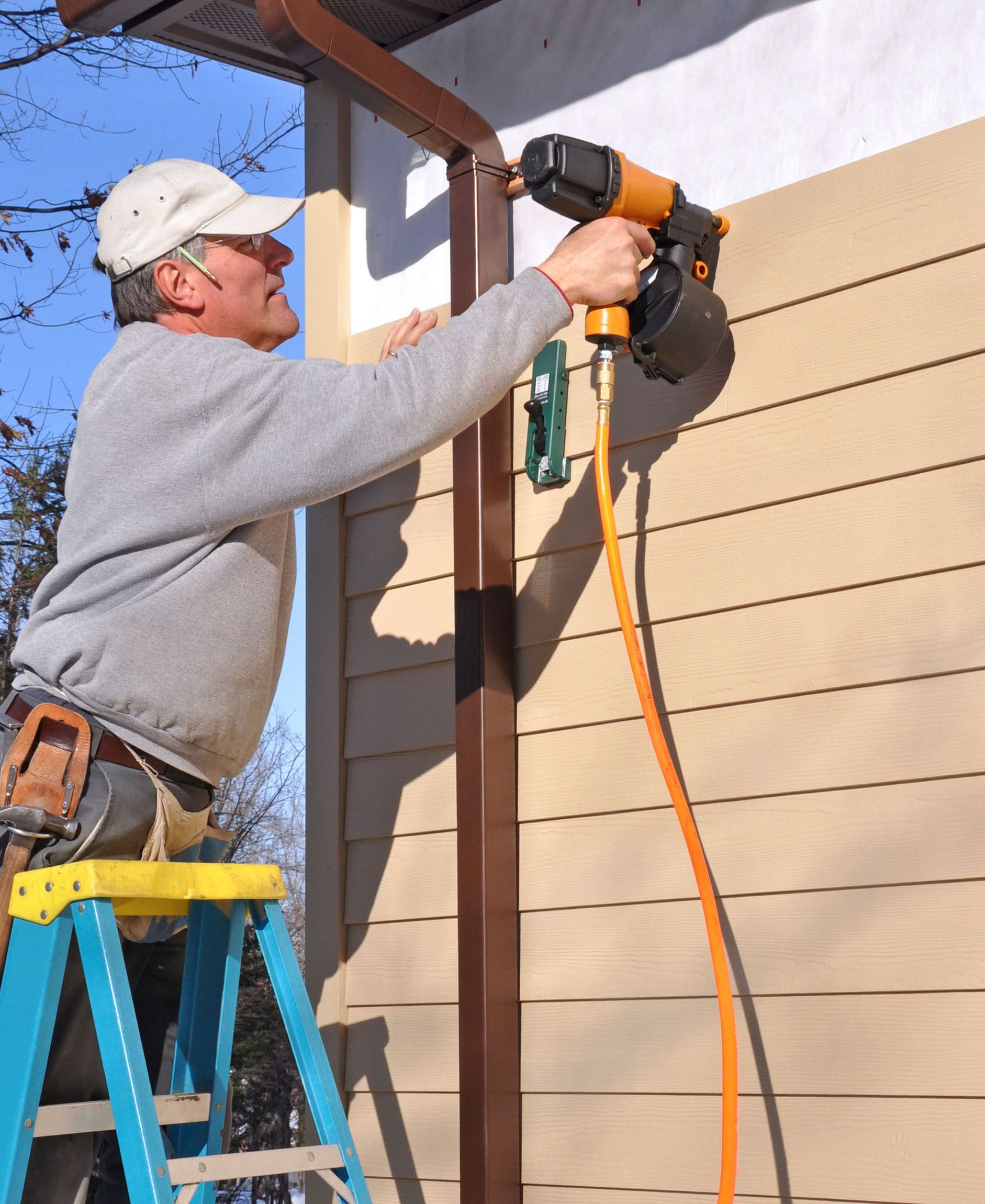
A professional siding installation involves more than just simply nailing boards to a wall. It requires an eye for detail, knowledge of local building codes, and an understanding of how different materials react to your specific micro-climate. By investing in professional expertise, you ensure that the manufacturer’s warranty remains valid and that your home remains a safe, dry sanctuary. Choosing the right contractor is just as important as choosing the right shingles or planks.
Deciding on a new exterior is a major milestone in homeownership. By weighing the pros and cons of vinyl, fiber cement, wood, and metal, you can find a solution that fits your budget and your vision. Remember that your siding is your home's first line of defense; treat it as an investment in your future. If you are ready to transform your home with a high-quality siding installation, the experts are here to guide you through every step of the process. Contact Siding Repair Systems today to learn more about our services and schedule a consultation to get your project started.